What Specific Local SEO Challenges Can Your Agency Help My Business Overcome | Local Rankings AI
What Specific Local SEO Challenges Can Your Agency Help My Business Overcome
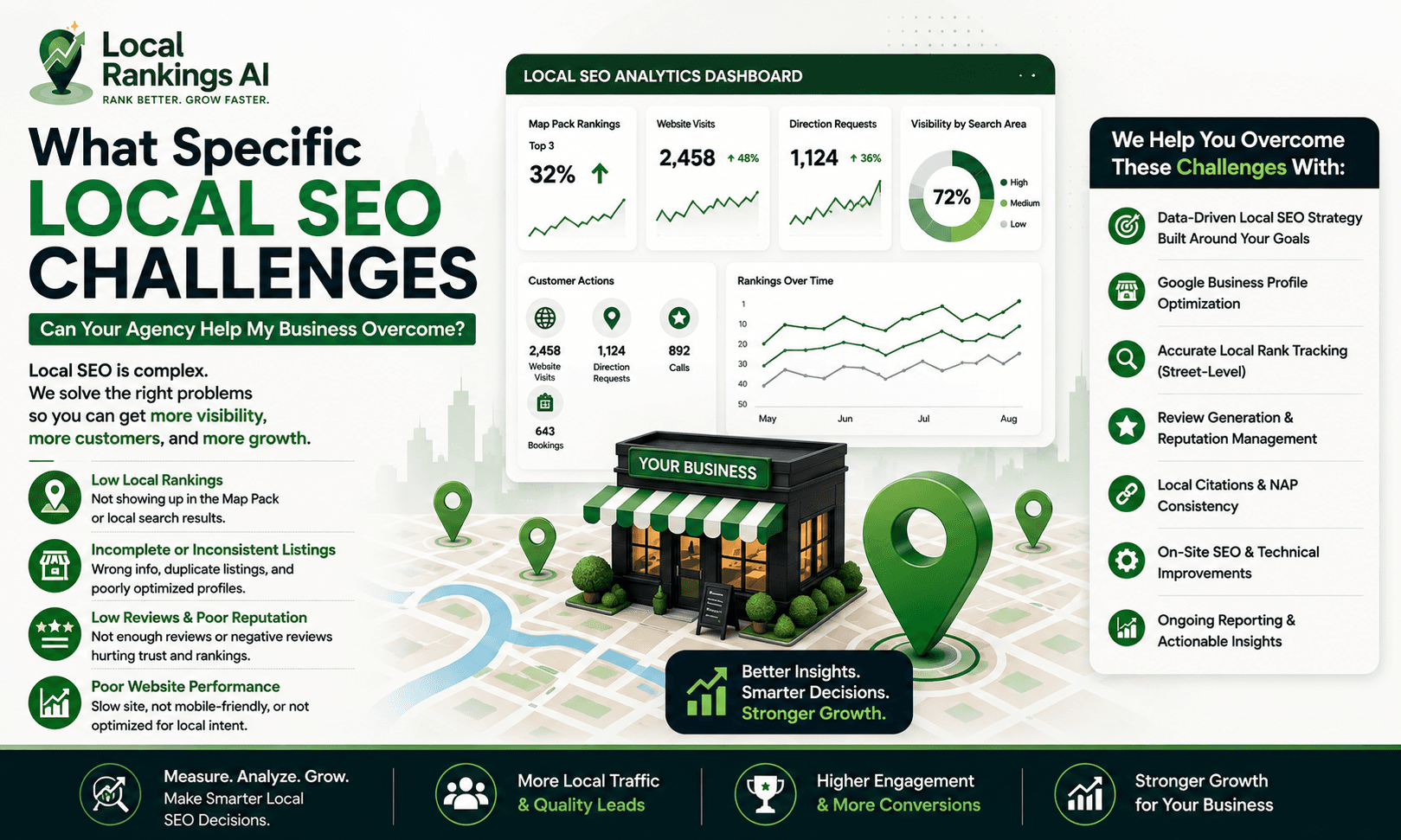
Discover the key local SEO challenges businesses face and how the right agency can help overcome them. From improving local rankings and Google Business Profile visibility to managing citations, reviews, and website optimization, learn strategies that drive more traffic, leads, and growth.
Businesses overcome local SEO challenges by claiming Google Business Profile listings, adding accurate NAP details, and gathering 50+ genuine customer reviews within 90 days. NAP consistency — matching name, address, and phone number across every directory — remains one of the most overlooked local SEO services, yet it directly affects whether search engines trust a listing enough to rank it. Consistent citations across Yelp, Bing Places, Apple Maps, and industry-specific directories boost rankings by reinforcing that trust signal at scale. Weekly Google Posts and localized keywords increase visibility, driving 30% more profile views and click-throughs for businesses that stay active instead of treating their listing as a one-time setup task. A recurring local SEO audit helps confirm those citations stay accurate as business details change, preventing the kind of drift that quietly erodes rankings over time.
Local map pack rankings resolve most visibility challenges: it appears in 30% of searches yet captures over 70% of organic traffic. Optimizing Google Business Profile, ensuring consistent NAP data, and earning local citations directly drives foot traffic and stronger conversion rates for businesses competing in localized search results.
For multi-location SEO, that math compounds — each additional storefront or service area needs its own optimized profile, its own citation set, and its own local search ranking strategy, because a single strong location can't carry visibility for the rest of the brand. Businesses that treat every location as its own local SEO project, rather than a copy-paste of headquarters, see more consistent gains across every market they serve. For multi-location SEO, that math compounds — each additional storefront or service area needs its own optimized profile, its own citation set, and its own local search ranking strategy, because a single strong location can't carry visibility for the rest of the brand. Businesses that treat every location as its own local SEO project, rather than a copy-paste of headquarters, see more consistent gains across every market they serve.
Local business owners overcome local SEO challenges by fixing citation inconsistencies, optimizing Google Business Profiles, and tracking street-level rankings across service areas. The local map pack appears in 30% of searches. It captures over 70% of organic clicks, per Search Engine Journal, making geo-rank tracking and targeted profile optimization essential for converting visibility into measurable leads and customers. Businesses evaluating local SEO services should look for providers who diagnose the specific problem first — a stalled Google Business Profile, scattered citations, or thin reviews — rather than applying the same generic checklist to every client regardless of what's actually holding their rankings back.
Key Takeaways
Local map pack appears 30% of the time in search results, making visibility critical for businesses.
Physical location stores and service providers without locations face distinct local SEO challenges requiring tailored solutions.
Local SEO strategies increase geographic visibility and boost conversion rates for businesses targeting specific areas.
Homeowners search "services in my area" when needing immediate help, requiring businesses to rank locally.
What Local SEO Challenges Are Hurting Your Rankings?
Weak map pack visibility costs businesses real customers, not just clicks. Google's local map pack appears in 30% of searches. Those top results capture more than 70% of organic search traffic. Businesses buried below the fold on maps effectively disappear from the buying decision entirely. Boosting local visibility starts with recognizing that map pack placement isn't a vanity metric — it's the difference between a customer calling you or the competitor listed one spot higher. Boosting local visibility starts with recognizing that map pack placement isn't a vanity metric — it's the difference between a customer calling you or the competitor listed one spot higher.
Multiple obstacles typically compound to suppress rankings. Inconsistent business listings, thin review profiles, poor on-page optimization, and unclaimed or outdated Google Business Profiles all chip away at visibility. A local SEO audit is often the fastest way to separate the real culprits from the noise — pulling every citation, every review pattern, and every profile field into one view instead of chasing fixes one at a time. Identifying which of these issues applies requires the right diagnostic tools.
Local SEO software built for ranking obstacles helps businesses pinpoint exactly where visibility breaks down, whether that's inconsistent citations, missing profile data, or gaps competitors are exploiting nearby. Without this kind of targeted analysis, businesses often guess at fixes that don't move the needle.
Why do traditional SEO tools fail local businesses?
Generic SEO platforms weren't built for street-level competition. AI-powered SEO tools solve visibility problems that traditional software typically misses, including granular geo-rank tracking and localized recommendations tied to specific neighborhoods.
What's the biggest local SEO mistake businesses make?
Treating local search like generic search ranks among the costliest errors. Businesses that ignore map pack performance forfeit the majority of organic traffic to competitors who optimized their profiles and listings first.
How Can Street-Level Data Fix Your Blind Spots?
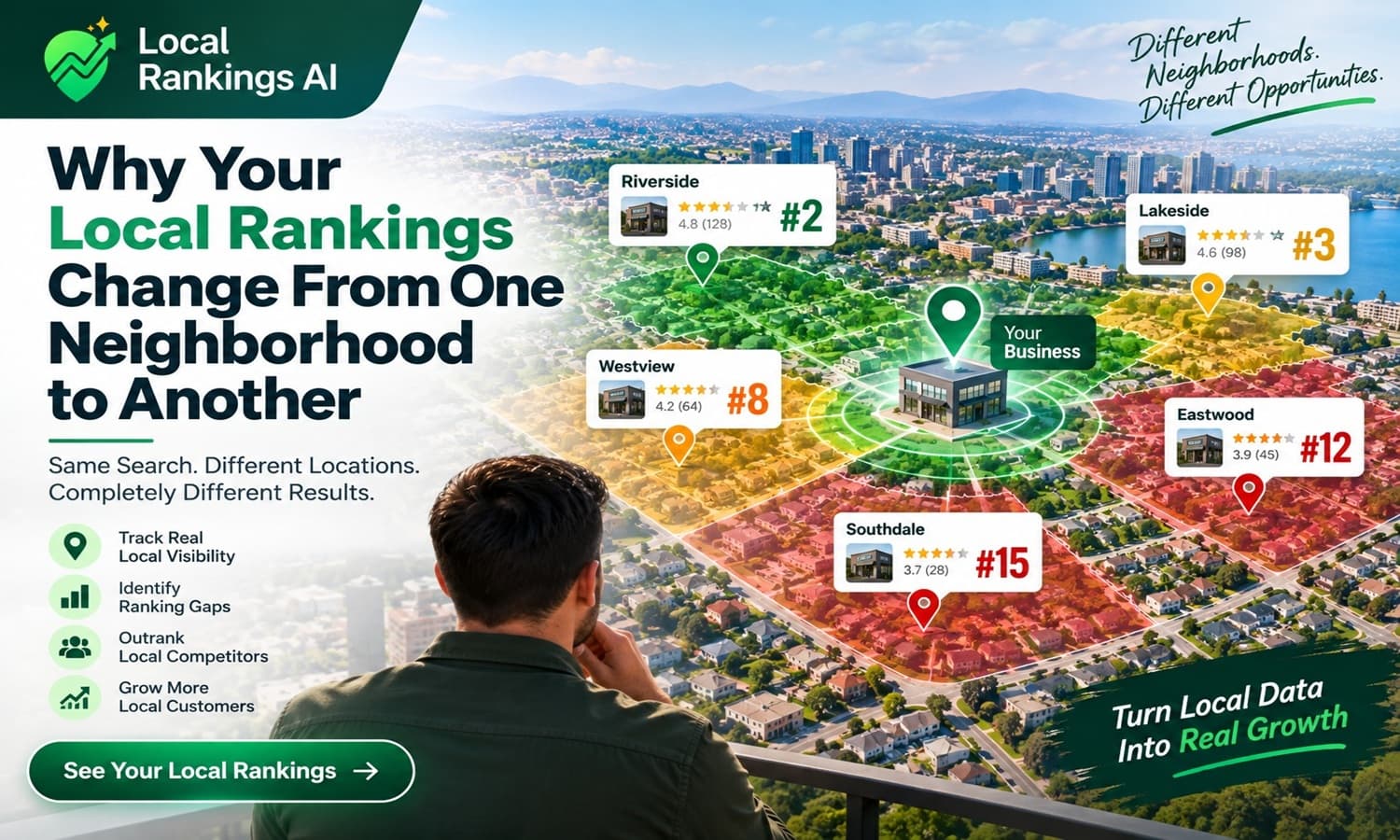
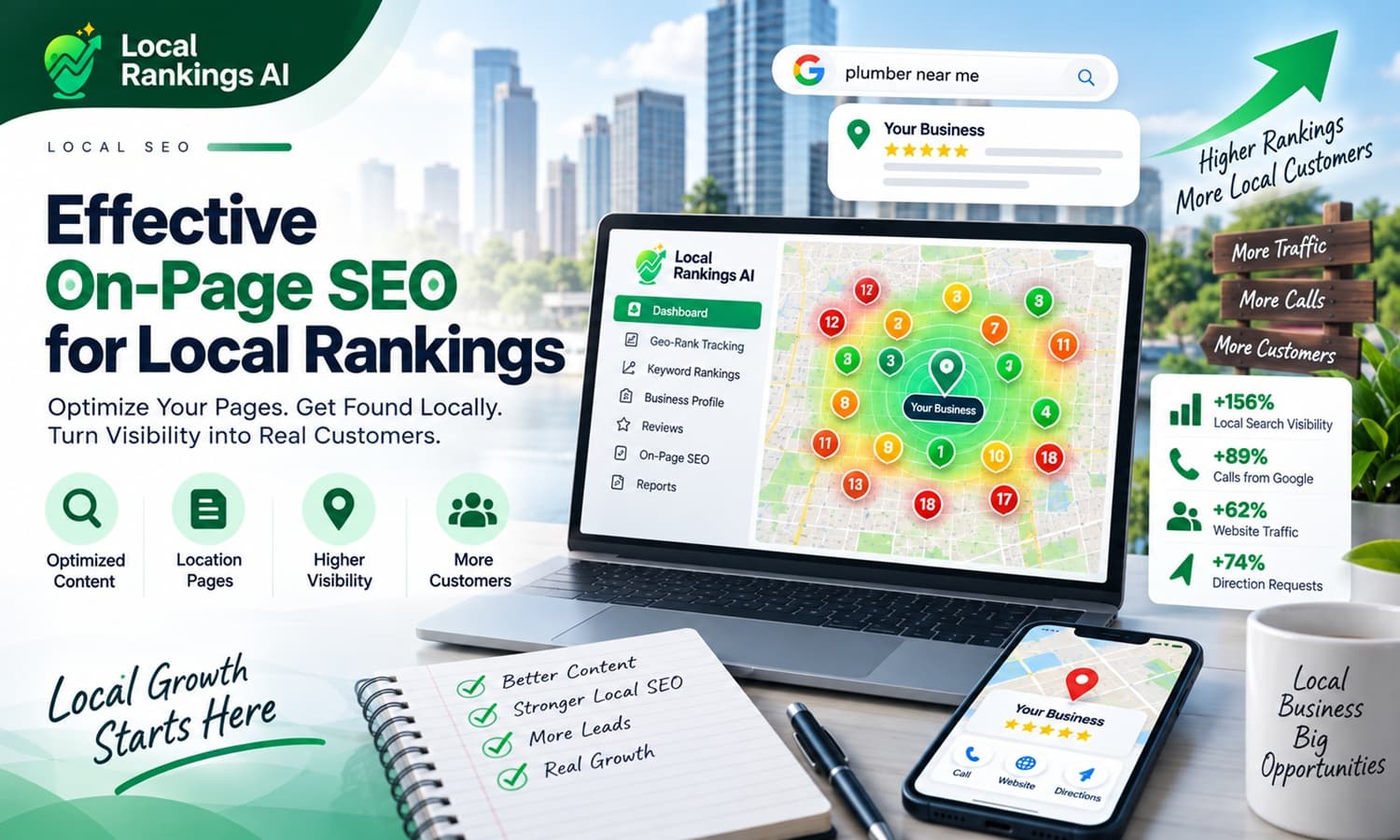
Average rankings hide the truth. A business can rank first in one neighborhood and fall off the map three streets over. Average-position reports never reveal the gap. A precision geo-rank grid solves that problem by tracking rankings across an entire service area, pinpointing exactly where visibility drops instead of masking weak zones inside a citywide average. That kind of granular local search ranking data turns a vague sense of "we should rank better" into a specific list of streets, ZIP codes, or neighborhoods where the fix actually needs to happen.
That blind spot hits service area businesses especially hard. Companies without a storefront face distinct local visibility challenges that brick-and-mortar locations simply don't encounter. There's no physical address anchoring their relevance in a given neighborhood. Street-level data closes that gap by showing performance zone by zone, not just city-wide, so a plumber or landscaper covering a dozen towns can see exactly which ones are underperforming instead of guessing from a single blended number.
What happens after weak spots get identified?
Identifying a weak zone means nothing without a next step. Ranking changes at the street level come paired with actionable AI tasks, giving business owners a clear task list instead of a raw data dump.
Does someone have to manage this alone?
Not necessarily. Business owners choose between two paths:
Self-managed — use the platform directly to review geo-rank data and execute AI-recommended tasks in-house.
Fully managed — hand monitoring and optimization to a dedicated team while staying focused on daily operations.
Either path turns scattered ranking data into a documented plan for measurable local growth.
Should You DIY or Hire a Local SEO Agency?
Ownership determines the answer. A business owner with hours to spare each week for citation audits, review responses, and Google Business Profile updates can manage local SEO independently. Most small business owners and marketing managers lack that time, and inconsistent effort produces inconsistent rankings. Multi-location SEO raises the stakes further: five, ten, or fifty locations each need their own citation cleanup, their own review strategy, and their own local search ranking monitoring, a workload that quickly outgrows what one in-house person can sustain alongside daily operations.
Understanding the question, "What Specific Local SEO Challenges Can Your Agency Help My Business Overcome?" clarifies the decision.
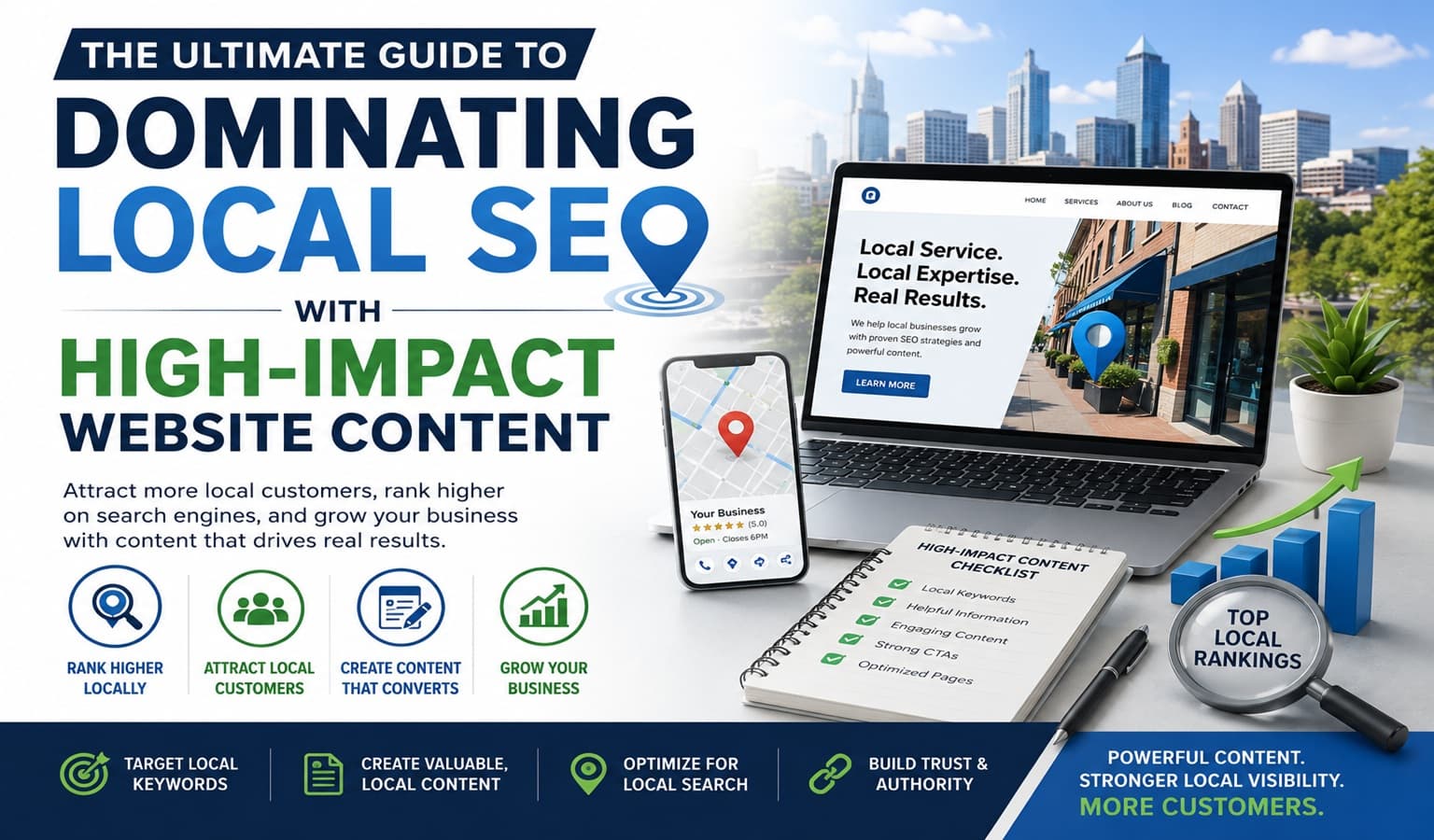
Agencies bring structure the DIY path often skips. A full strategy — keyword research, on-site optimization, profile management — directly moves conversion rates, not just impressions. Partial fixes rarely deliver lasting results. This is where local SEO services earn their cost: not by doing one task well, but by coordinating citations, reviews, on-page content, and profile activity as a single ongoing system instead of a handful of disconnected chores.
What does a local SEO agency actually do differently?
Agencies treat the Google Business Profile as a growth engine, not a set-it-and-forget-it listing. Consistent optimization of that profile acts as a catalyst for stronger local visibility and deeper customer engagement. DIY efforts often update the profile once and move on, missing the ongoing tuning — fresh posts, updated services, new photos, prompt review responses — that keeps rankings competitive against nearby businesses doing the same work every week.
How does an agency prove the work is paying off?
Clean, client-ready documentation removes the guesswork. Owners can see ranking movement without decoding spreadsheets.
Full local SEO strategy build, including keyword research
Google Business Profile optimization for visibility and engagement
Website optimization aimed at converting traffic into leads
Clear reporting on ranking progress over time
The end goal stays consistent: turning visibility into paying customers.
Frequently Asked Questions
Final Thoughts
Overcoming local SEO challenges comes down to treating visibility as an ongoing system, not a one-time setup. NAP consistency across directories, a well-maintained Google Business Profile, a steady stream of genuine reviews, and street-level geo-rank tracking each address a different blind spot — and together they turn scattered ranking data into a documented plan for growth. A regular local SEO audit keeps that foundation from drifting as business details change, while multi-location brands need to apply the same discipline to every storefront or service area rather than leaning on one strong location to carry the rest.
Whether a business manages this work in-house or brings in local SEO services to coordinate citations, reviews, on-page content, and profile activity as a single strategy, the goal is the same: convert map pack visibility into measurable calls, leads, and customers.